Risky Heist Treasure Guide
Grab high-density loot, skip shiny junk, and bank Treasures on your Base before the police clock runs out.
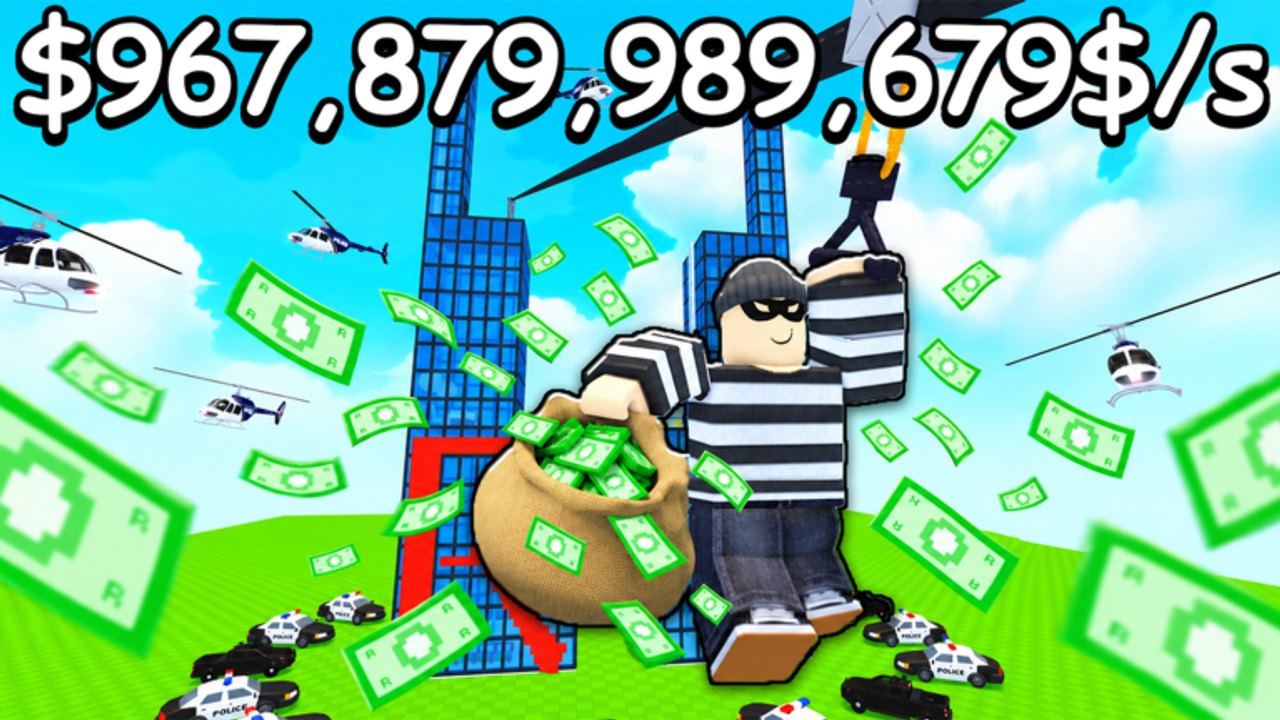
Treasures are only Cash after the Base
In Risky Heist, sparkling loot is a promise, not a payout. Treasures become lasting Cash when you place them on your Base. Everything else — pocket flex, hallway screenshots, almost-escapes — is theater. This guide teaches how to judge Treasure value, what to grab first on each depth, and when to abandon an item so the rest of the haul survives.
Read alongside How to Make Money, Arms Upgrades, Police and Risk, and the unofficial tier list.
Value density beats rarity cosplay
Players naturally chase the rarest label in the room. The better question is Cash density: how much Base progress you gain per second of Door time plus carry risk.
A mid-tier Treasure behind one quick Door can beat a hyped trophy behind three slow Doors if your Arms are not ready. Density thinking keeps your Getting Started habits alive into mid game.
Practical rarity mindset
Without inventing fake item databases, use this working model:
- Low tier: Fine for absolute first runs; replace ASAP when better shelves open.
- Mid tier: The backbone of stable farms — usually the best Cash/minute in busy six-player servers.
- High tier: Worth detours when Arms keep Door times short and the extract path is clear.
- Jackpot / deep specialty: Worth a planned probe, not a spontaneous suicide sprint.
The tier list translates that model into S–D priority bands for planning.
What to grab first
When a room opens, scan in this order:
- Highest density Treasures closest to your exit vector.
- High-value items that do not drag you into a dead-end alcove.
- Mid fillers only if you still have carry space and time.
- Low junk only if the room is otherwise empty and the Door was free.
If two players enter, prioritize the item you can secure immediately rather than dancing around the jackpot pedestal until someone else claims everything.
Deeper floors and why they tempt you
Deeper floors exist to sell a dream: better Treasures, fatter Cash, bigger bragging rights. They also stack Door taxes and police risk. Unlock them with Arms, not hope.
Go deeper when:
- Mid routes feel easy and Door times are short.
- You can name the Door chain and the abort room.
- You have been depositing consistently (including for offline earnings).
Stay mid when:
- Servers are chaotic and deep wings are camped.
- Your last two deep attempts wiped with full pockets.
- You still need a major Arms breakpoint.
Deep Treasures are optional content until the fundamentals print Cash.
Carry rules under police pressure
Treat inventory as a risk portfolio:
- Early in a run, you can afford a speculative pick.
- Mid-run, replace low junk with denser finds.
- Late-run, stop opening Doors; protect what you hold and leave.
Dropping or ignoring a low Treasure to keep move speed and mental focus is correct play. The police guide explains why “one more shelf” is how Bases stay empty.
Contest and etiquette (still about Cash)
With a max of six players, expect contested pedestals. Efficient looters:
- Pre-aim the interact on the best item as the Door breaks.
- Avoid freezing in doorway chokepoints.
- Leave a drained room quickly instead of emoting at rivals.
You are not farming respect points. You are farming Base Cash.
Banking patterns that multiply Treasure value
- Deposit after every successful extract, not after “one more try.”
- If offline time is coming (dinner, sleep), cut the session once pockets are rich.
- After logout income lands, convert it into Arms that reach better Treasure bands.
Treasures left unbanked when you quit are how players convince themselves the economy is weak.
Mapping a personal Treasure route
Spend one calm session building a note (mental or real):
- Entry Doors you can break reliably.
- Two mid rooms with consistent mid/high density.
- One optional high-tier detour.
- Hard extract path that avoids the most contested stairs.
Run that map until it is boring. Boring routes print money. Random sightseeing does not.
Mistakes that waste good loot tables
- Opening deep Doors with weak Arms “to look.”
- Filling up on low tier sparkles before high density spawns.
- Fighting over a single pedestal while a full shelf sits next door.
- Resetting after a partial haul instead of banking it.
- Ignoring Updates when values or spawns shift.
- Believing a random script ESP will replace learning rooms.
Session example focused on Treasures
Warm-up extract with mid fillers only. Deposit. Mid session: clear your mapped two-room cluster, take one high-tier if the Door is fast, leave the moment police heat rises. Deposit. If Cash allows, buy Arms from the Arms guide priority list. Final run: repeat the cluster, skip experiments, bank, log out.
That pattern uses Treasures as fuel for progression instead of as gambling chips. When you want comparative rankings at a glance, open the tier list. When you need the whole loop restated for Cash, return to the money guide.
Treasures reward players who edit their greed in real time. See the sparkle, judge the density, check the clock, then either commit or walk. That habit is the real endgame drop.
Frequently Asked Questions
Quick answers for heists, codes, Arms, and police risk.
What Treasures should I grab first?
Highest Cash density items closest to a safe extract path. Skip low junk once mid and high shelves are reachable with your current Arms.
Are deeper floor Treasures always better?
They can be, but only if Door times and police windows still allow a live extract. Failed deep runs are worth less than banked mid-tier hauls.
Do Treasures count before I reach my Base?
Not as lasting Cash. Place them on your Base to secure progress and to feed offline earnings.
Should I fight other players for one pedestal?
Usually no. In a six-player server it is often faster to take the next dense room than to contest a single contested sparkle.
Where can I see Treasure priorities ranked?
Use this guide for decision rules and the Tier List Hub for unofficial S–D priority bands based on Cash density and risk.